
Choosing the right hardware brands can make the difference between a successful DIY project and a frustrating experience that costs you time and money. Whether you’re tackling weekend home improvements or managing ongoing property maintenance, the tools and materials you select shape the quality of your results. Understanding what separates reliable manufacturers from the rest helps you build a toolkit that delivers consistent performance. This guide breaks down the key factors that matter most when evaluating your options in today’s crowded marketplace.
The hardware retail landscape offers DIY enthusiasts an overwhelming array of choices, from basic hand tools to advanced power equipment. Store aisles overflow with options at every price point, each promising durability and value. Yet not all products deliver on these promises, and the consequences of poor choices extend beyond wasted money to safety concerns and project failures. Smart shoppers need a framework for cutting through marketing claims and identifying genuinely reliable options.
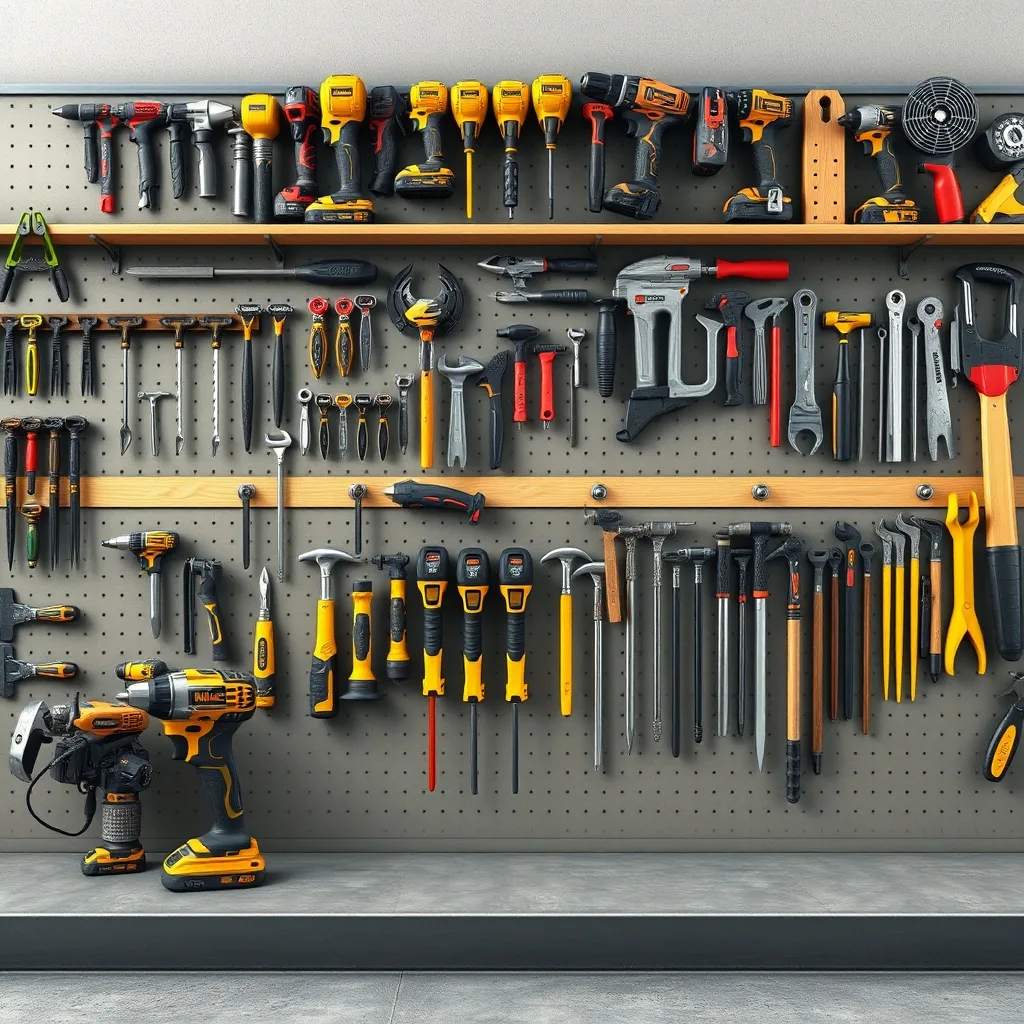
Hardware Brands Compared: What Matters Most
When evaluating hardware brands, quality stands as the foundation of any worthwhile purchase. Superior build quality translates directly to tools that maintain accuracy over time, materials that resist wear, and fasteners that hold under stress. The manufacturing standards different hardware brands employ vary dramatically, with top-tier companies investing in rigorous testing protocols and premium materials. Look for indicators like metal construction over plastic components, sealed bearings in power tools, and corrosion-resistant finishes that extend product life in demanding conditions.
Product range and availability matter just as much as individual item quality, especially for DIYers managing multiple projects. The best hardware brands offer comprehensive lineups that cover everything from basic hand tools to specialized equipment, allowing you to build a cohesive toolkit from a single source. This consistency ensures that batteries, accessories, and replacement parts remain compatible across your collection. Consider also how readily available products are through multiple retail channels, as limited distribution can leave you stranded mid-project when you need specific components or warranty service.
| Aspect | What to look for | Buyer tip |
|---|---|---|
| Quality | Build and materials | Check warranties |
| Range | Product variety | Compare lineups |
| Value | Price vs features | Watch for sales |
| Support | Service network | Read reviews |
How to Choose the Right Option
Your project scope should drive your selection process more than any other factor. Occasional users tackling simple repairs need different solutions than dedicated hobbyists building furniture or renovating rooms. Assess the frequency and intensity of your planned usage honestly, as overbuying premium equipment for light duty wastes resources while underbuying for heavy use leads to rapid replacement cycles. Match the tool’s duty rating to your actual needs, considering not just current projects but anticipated future work that might demand more from your equipment.
Compatibility within your existing toolkit creates efficiencies that many shoppers overlook until facing the frustration of incompatible systems. Once you invest in one manufacturer’s battery platform or accessory ecosystem, expanding within that family becomes more economical than switching between hardware brands. However, this advantage only matters if the manufacturer offers sufficient breadth in their product line to meet your evolving needs. Research the full range before committing to ensure the system can grow with your skills and project ambitions without forcing you to maintain multiple incompatible platforms.
Who Should Buy Premium
Premium hardware brands justify their higher costs for specific user profiles where performance and longevity deliver measurable returns. Understanding whether you fit these profiles helps avoid both overspending on unnecessary features and false economy from tools that fail prematurely.
- Homeowners: Those managing properties with ongoing maintenance needs benefit from durable tools that survive years of seasonal use, from landscaping equipment to repair kits that see regular deployment across multiple systems.
- Professionals: Tradespeople and contractors require equipment that withstands daily use under demanding conditions, where downtime costs income and reputation, making reliability worth the premium.
- Renters: Mobile residents and apartment dwellers typically benefit from value-focused options that provide adequate performance for occasional use without the investment needed for equipment that outlasts their housing situations.
Hardware Brands for Power Tools and Outdoor Gear
Choosing the right equipment for construction projects or outdoor adventures starts with understanding what different hardware brands offer. Power tools like drills, saws, and sanders come from manufacturers with distinct specializations and quality levels. Outdoor gear encompasses everything from camping equipment to lawn maintenance tools. The market provides options ranging from professional-grade equipment to affordable consumer solutions.
When selecting hardware brands for your toolbox or garage, consider durability, warranty coverage, and repair availability in your area. Professional contractors often prefer brands with service centers and readily available replacement parts. Homeowners might prioritize value and ease of use over heavy-duty construction. Battery compatibility across product lines can save money if you invest in one ecosystem.
The landscape of hardware brands includes American companies, European manufacturers, and Asian producers that each bring different strengths to the market. Some specialize in cordless innovation while others focus on pneumatic or corded tools. Garden equipment brands may overlap with power tool makers or operate independently. Understanding these distinctions helps buyers match their specific needs with the right manufacturer’s strengths.
Quick Checklist for Hardware Shoppers
Run through this list before you head to the store or order online. It keeps the trip focused.
- Measure your workspace and note power outlet locations.
- Decide between corded reliability and cordless convenience.
- Compare warranty length across similar models.
- Read safety instructions before first use.
- Keep receipts for returns and warranty claims.
Verdict
The hardware brands that earn customer loyalty combine consistent quality with practical value and accessible support networks. Your ideal choice depends on balancing your project requirements, usage frequency, and budget constraints against the real-world performance these manufacturers deliver. Focus on building a core toolkit from reliable sources, then expand thoughtfully as your skills and project complexity grow. Remember that the best tools are the ones you’ll actually use, which means selecting options that match both your current needs and your commitment level to DIY work.

Nisa Kure is a senior tech reviewer at Fabrikant Tech testing phones, SSDs, wearables, and smart-home gear. 5+ years, 200+ hands-on reviews. Method: 2-week daily use, benchmarks, and thermal logs. Author of 840 tech guides since 2022.
More Stories
Open Banking vs Fintech Apps Explained
Identity Theft Protection for Finance App Users
ACH Transfer vs Wire Transfers Explained